The Top Natural Hair Trends of 2026 Prioritize Low Tension
These natural hair trends reflect what stylists, professionals, and everyday wearers are consistently seeing in real life: healthier hair comes from gentler choices. By focusing on reduced tension, mindful styling, and respect for natural texture, these looks support long-term hair strength rather than short-term results. Each style shared here aligns with practical experience, current salon practices, and evolving hair-care priorities, making them realistic options for anyone looking to maintain natural hair with intention and care going forward.
Hair professionals are seeing a growing preference for styles that follow natural texture instead of forcing sleekness. Compared to previous years, where longevity and polish mattered most, the priority has changed to preserving edges and encouraging overall hair growth. This reflects a larger desire to protect hair rather than control it.
While creativity was a big theme in 2025, 2026 brings attention back to using natural hair itself. Instead of heavily relying on extensions or manipulated looks, styles like mini twists and small locs are being embraced either fully natural or with minimal added hair for length.
Sleek styles aren’t disappearing entirely, but they’re evolving. Rather than tight ponytails and pulled-back looks, people are choosing glossy short cuts and defined coils that deliver shine without strain. Short hair leans sculpted, while longer hair is styled in softer, heat-minimal ways.
Low-tension protective styles are also gaining attention for those focused on length retention. These options protect the hair while avoiding tight gripping at the roots, making them more comfortable and healthier long term.
Wavy Pixie
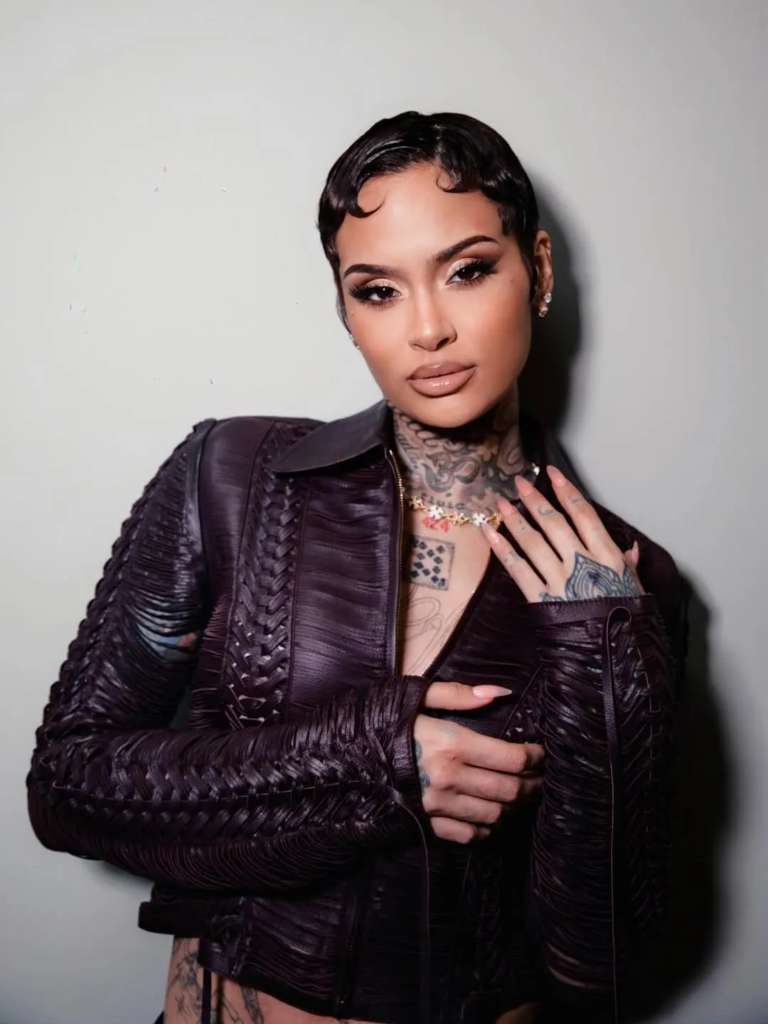
Pixie cuts remain popular in 2026, but with a softer, shinier update. Instead of stiff or overly styled finishes, the look now emphasizes movement and gloss, creating a polished yet relaxed appearance.
The wavy pixie stands out because it adds texture without heaviness. Subtle waves and light oils enhance shine while keeping the style flexible. The result is a short cut that feels modern, playful, and easy to maintain.
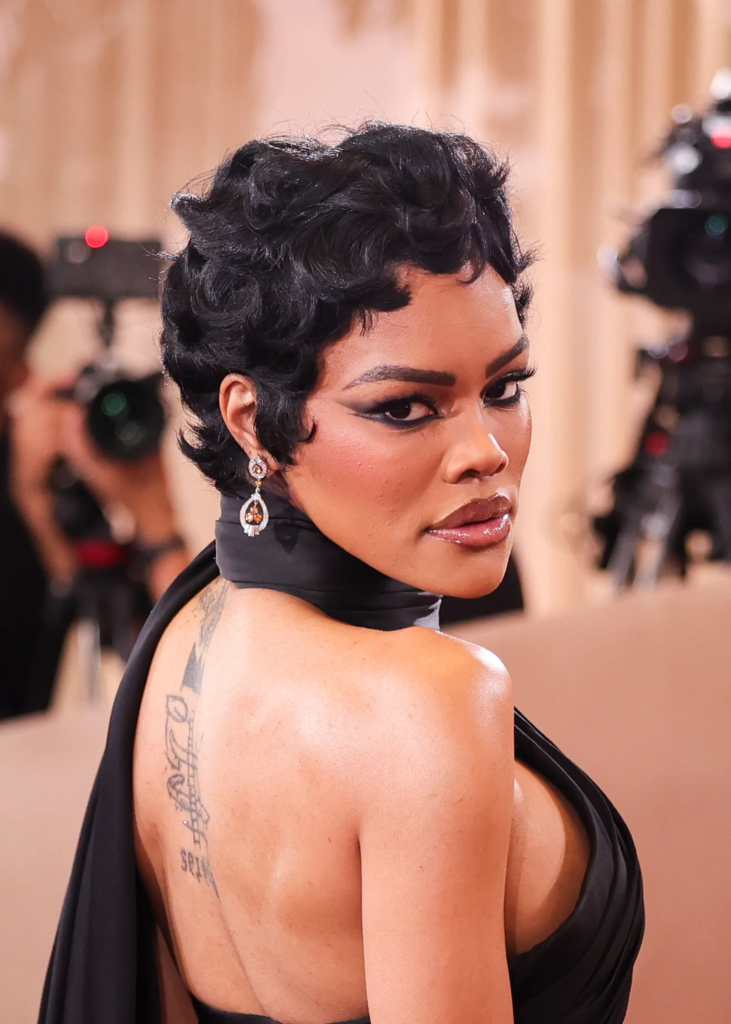
This look can also lean into a wet, sculpted finish, which highlights wave patterns and creates a sleek effect. With the right balance of hold and softness, it’s a style that’s simple to recreate and easy to refresh.
Ivy Braids


Ivy braids introduce a more relaxed version of traditional box braids. The style intentionally avoids a tight, uniform finish, focusing instead on softness and a lived-in feel.
What makes this style appealing is how gentle it is on the scalp. By braiding loosely at the roots and allowing natural texture to show, the look feels effortless rather than structured. The result is a braid style that prioritizes comfort without sacrificing style.
Ivy braids work best when the roots aren’t slicked down. The slight fuzziness is part of the aesthetic, giving the braids character and movement while keeping tension to a minimum.
Tanavoho Braids
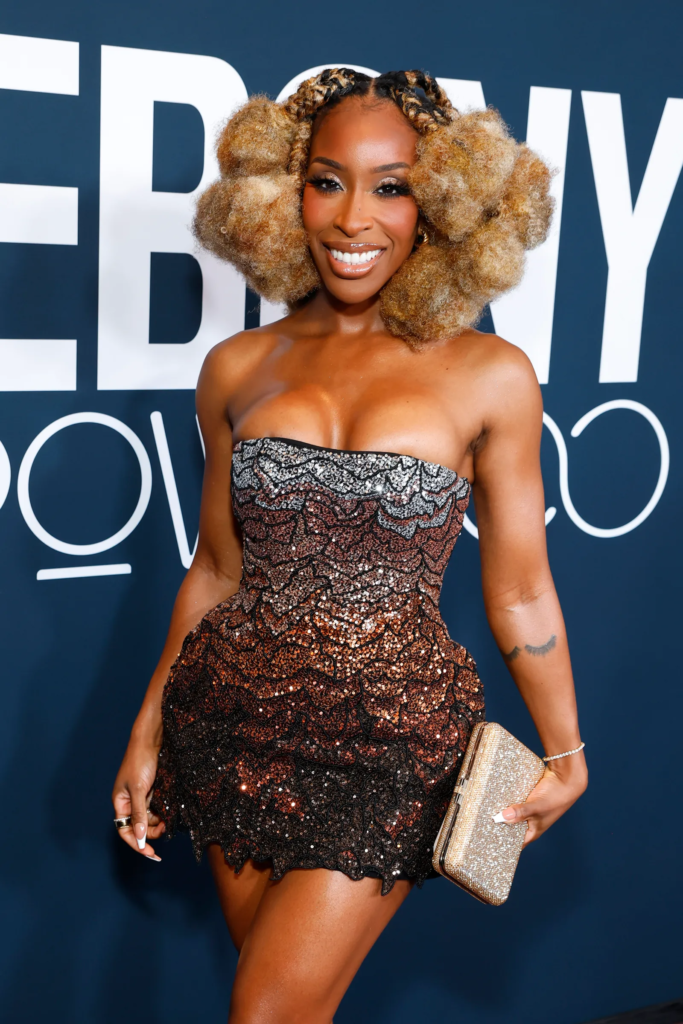
Tanavoho braids draw inspiration from traditional African hairstyles and are expected to gain wider visibility in 2026. The style features braids that form a crown-like shape around the head, finished with rounded puffs.
This look blends cultural heritage with artistic expression, which is why it resonates now. As interest grows in historically rooted styles, more people are drawn to designs that feel meaningful as well as visually striking.
The construction combines structured braiding with soft, textured ends. Some variations appear more polished, while others intentionally keep a slightly undone finish.
Fluffy Silk Press
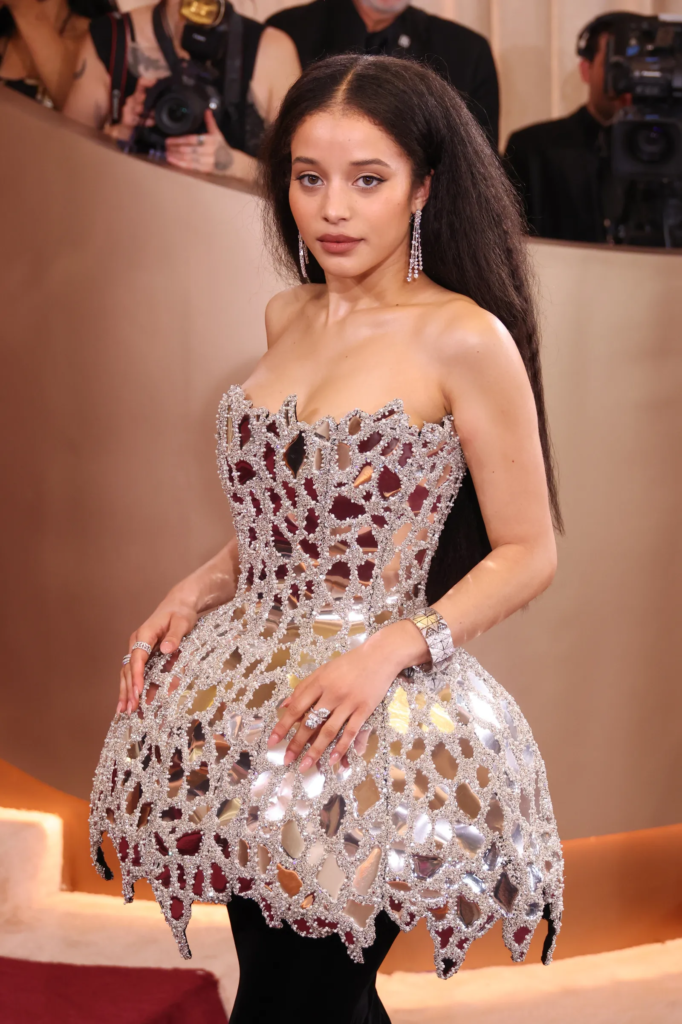
The fluffy silk press returns as a softer alternative to traditional straightening methods. Instead of pin-straight results, this version focuses on volume, movement, and lightness.
This style uses less heat and avoids heavy flat-ironing, making it gentler on natural hair. The finish looks airy and touchable, offering a polished appearance without stiffness.
As the style wears, it transitions easily into other looks, such as loose braid-outs, which makes it practical for low-maintenance routines.
Finger-coils

Finger coils continue to gain popularity despite being time-intensive. The reason is their long-term benefit for curl definition and hair training, especially for those transitioning away from damage.
This style helps encourage uniform curl patterns while allowing hair to behave naturally. Coil size plays a big role in the final look, with smaller sections offering more definition and longevity.
Proper moisture and hold are essential for this style to last. Drying the coils thoroughly helps lock in shape and reduces frizz over time.
Sisterlocks
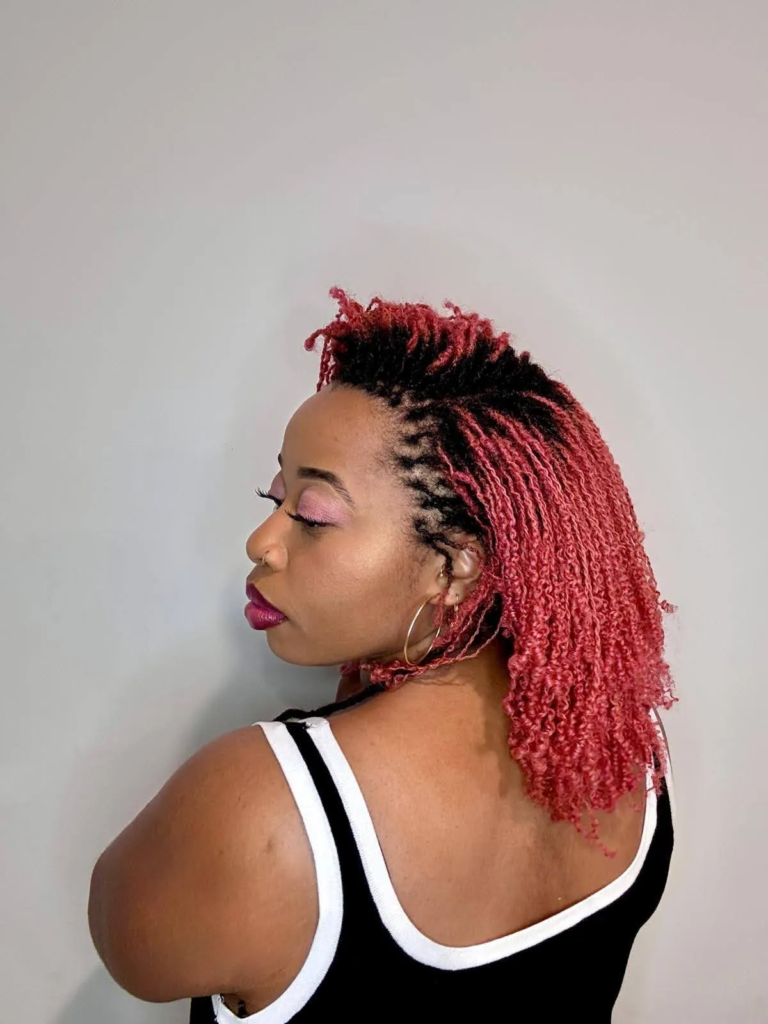
Sisterlocks are gaining renewed attention in 2026, especially among those seeking a long-term, low-manipulation style. The process involves creating extremely small locs that mature over time through regular maintenance.
This style requires patience and commitment, especially during the early stages. While it offers freedom from daily styling, it demands consistent care to develop properly.
Because of the precision involved, choosing a trained professional is essential to ensure healthy installation and long-lasting results.
Mini Twists
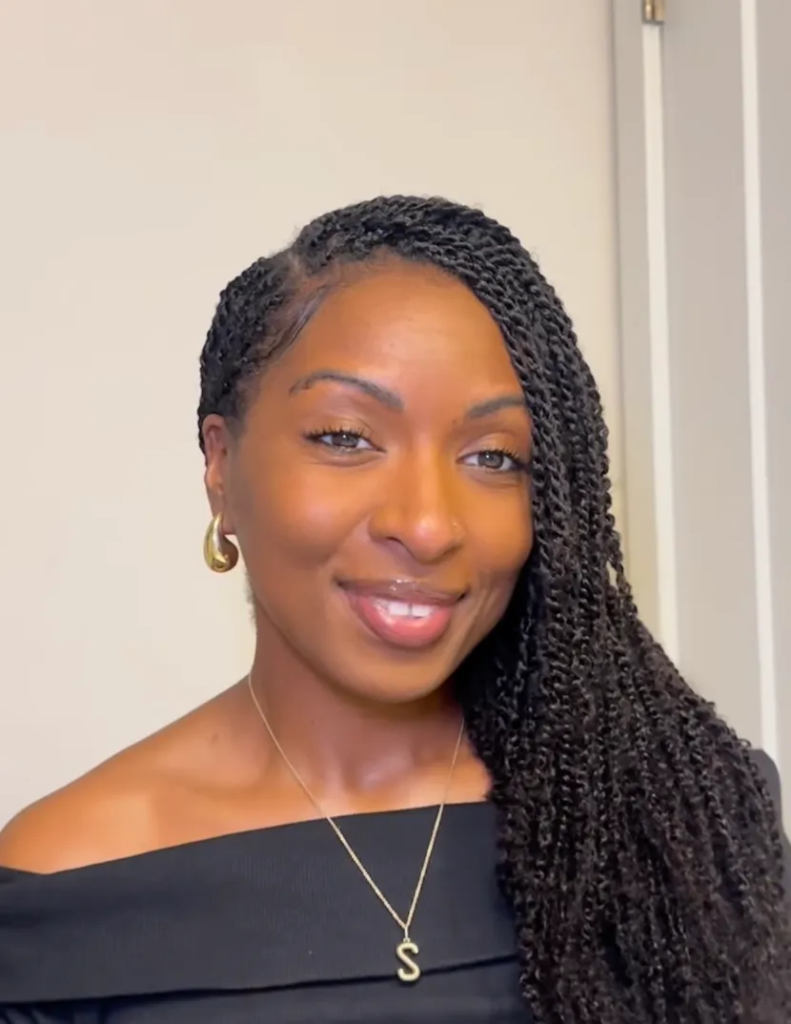
Mini twists are a popular alternative for those who want a similar look to locs without long-term commitment. These two-strand twists are versatile, protective, and temporary.
They can be done at home with basic tools and products, making them accessible and practical. Section size and preparation determine whether the twists appear tighter or more relaxed.
For a stretched look, hair can be lightly elongated before twisting, creating longer, looser results while still maintaining a natural finish.