15 Hiking Outfits for Summer Adventures
When I plan summer hikes, I always focus on staying cool, protected, and comfortable for long hours outdoors. The right outfit helps me handle heat, sun exposure, and changing terrain without feeling restricted.
In this guide, I break down practical summer hiking outfit combinations that I personally find useful. Each look is built around breathable fabrics, UV protection, and lightweight layering that supports movement on trails.
My main focus stays on three things: comfort in heat, protection from the sun, and freedom of movement. These outfit ideas work for both short nature walks and full-day hiking trips.
Save for later
Key Takeaways
- Lightweight and quick-dry fabrics help manage sweat and heat
- UV-protective layers reduce sun damage during long hikes
- Convertible clothing adds flexibility in changing weather
- Proper footwear improves safety and reduces fatigue
- Smart accessories like hats and hydration packs improve performance
Cargo Pants and Cropped Performance Tank
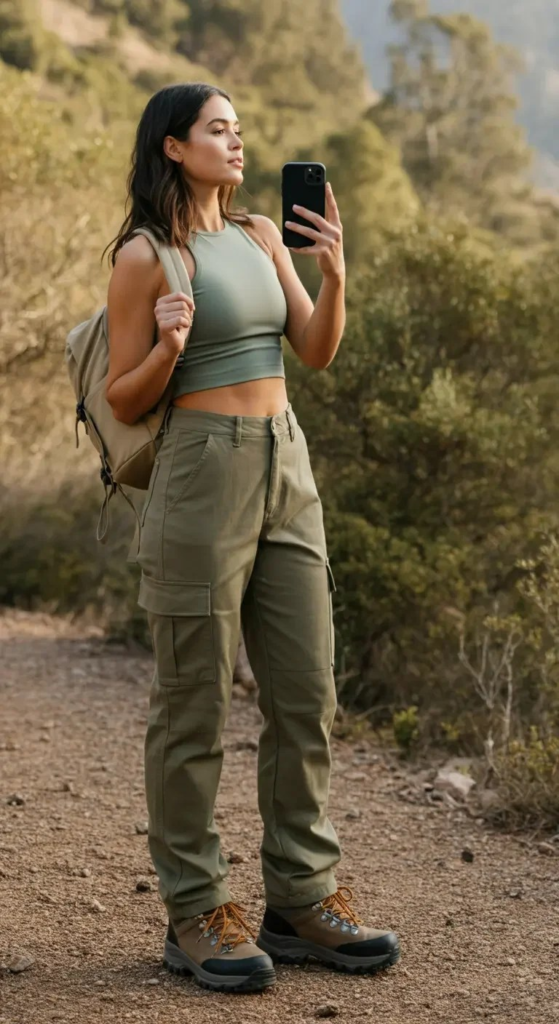
When I go on rugged hikes, I prefer cargo pants because they give me storage space and durability. The cropped performance tank helps me stay cool while still offering sun protection on upper body areas.
I complete this look with hiking boots and moisture-wicking socks for stability. A lightweight backpack is also important for carrying water and essentials without adding pressure.
PRO TIP: I always choose cargo pants with stretch fabric because stiff materials can slow me down on steep climbs.
Convertible Hiking Pants and UV Protection Shirt
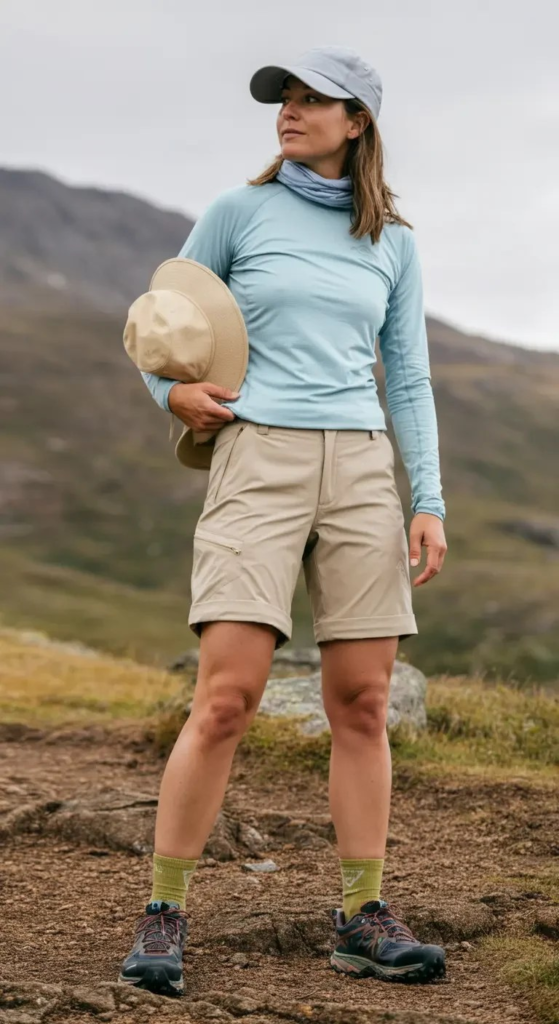
For unpredictable weather, I rely on convertible hiking pants because I can easily switch them into shorts. The UV protection shirt is essential for long exposure under direct sunlight.
I usually wear trail shoes with good grip for mixed terrain. A wide-brim hat is something I always include because it protects my face and neck effectively.
PRO TIP: I prefer zip-off pants with quick-release sections because they save time during sudden temperature changes.
Athletic Skort and Compression Top
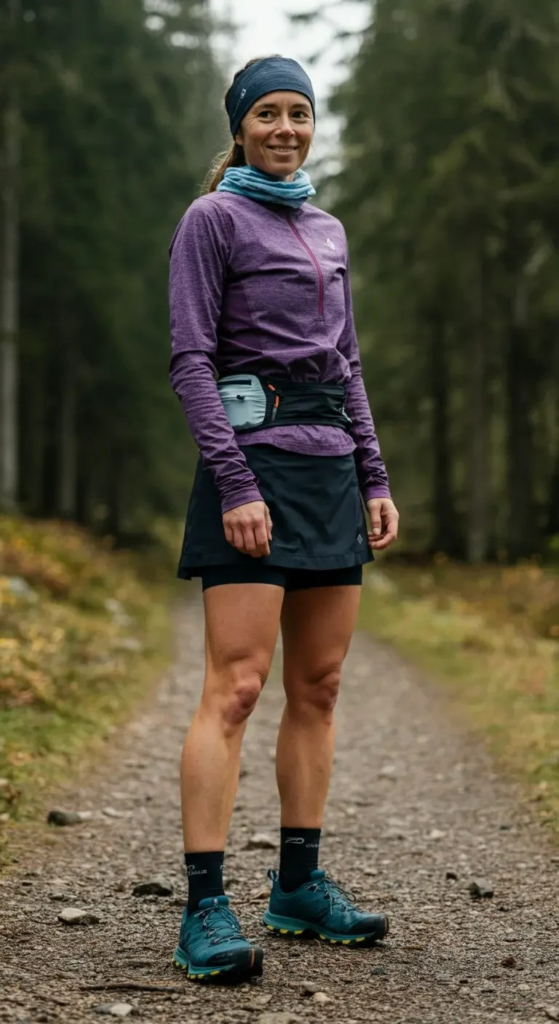
For lighter hikes, I like wearing an athletic skort because it gives me comfort and mobility. The built-in shorts help me move freely without worrying about coverage.
A compression top supports my upper body and helps control sweat. I finish the outfit with lightweight trail shoes and sometimes a running belt for essentials.
PRO TIP: I avoid heavy skorts and choose moisture-wicking fabric to prevent discomfort during long walks.
Hemp Shorts and Merino Wool Tank
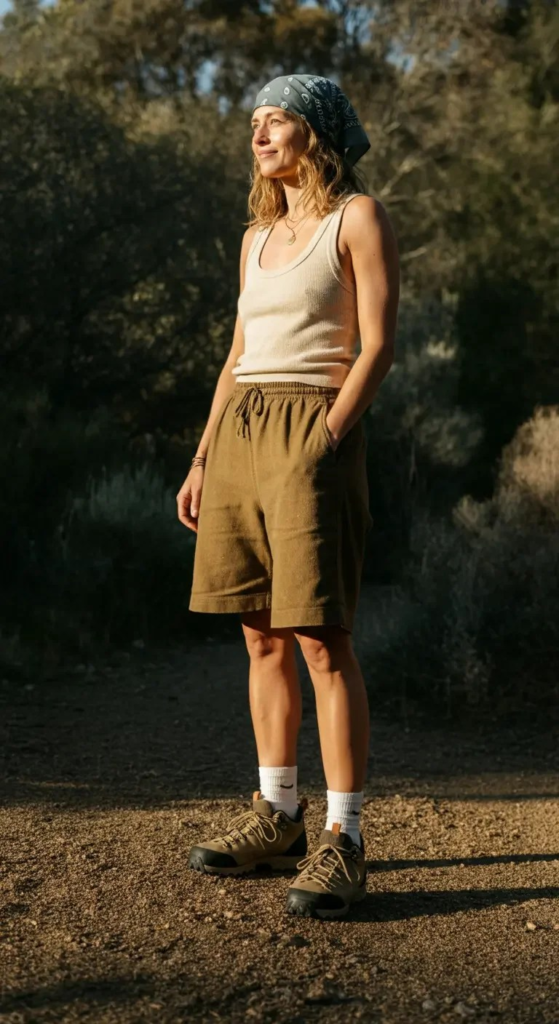
In hot weather, hemp shorts work best for me because they feel breathable and durable. The merino wool tank is great for controlling odor and managing sweat naturally.
Approach shoes give me stability on mixed terrain. I also carry a bandana because it helps with sweat, dust, and sun protection.
PRO TIP: I choose merino wool even in summer because it keeps my body temperature balanced better than cotton.
Technical Capris and Ventilated Sport Bra
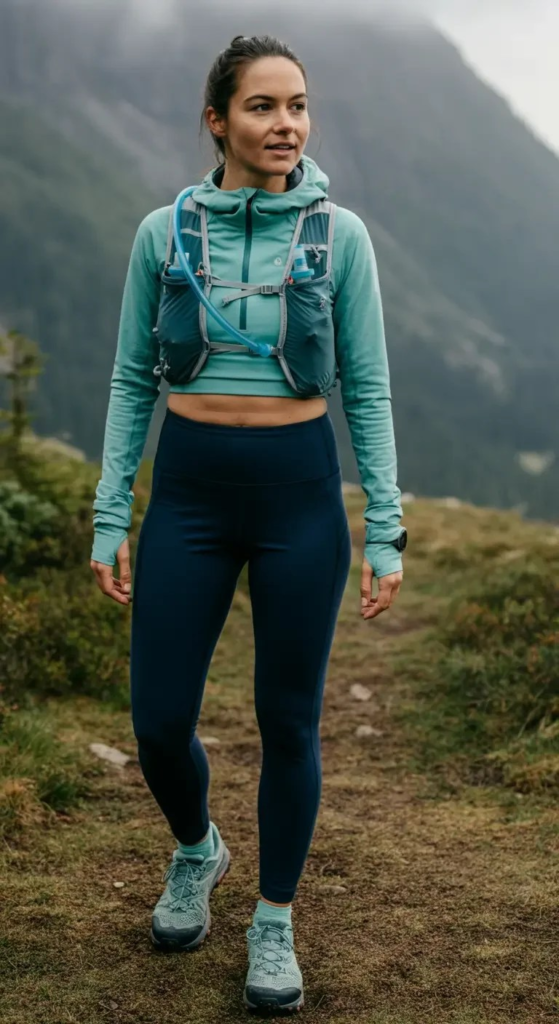
Technical capris are one of my go-to choices because they stretch easily and dry fast. The ventilated sports bra helps maintain airflow while giving proper support.
I pair this with lightweight hiking shoes for comfort and stability. A hydration vest is something I always carry for easy water access.
PRO TIP: I always test capri flexibility before hiking because tight stitching can cause discomfort on long trails.
Climbing Pants and Moisture-Wicking Hoodie
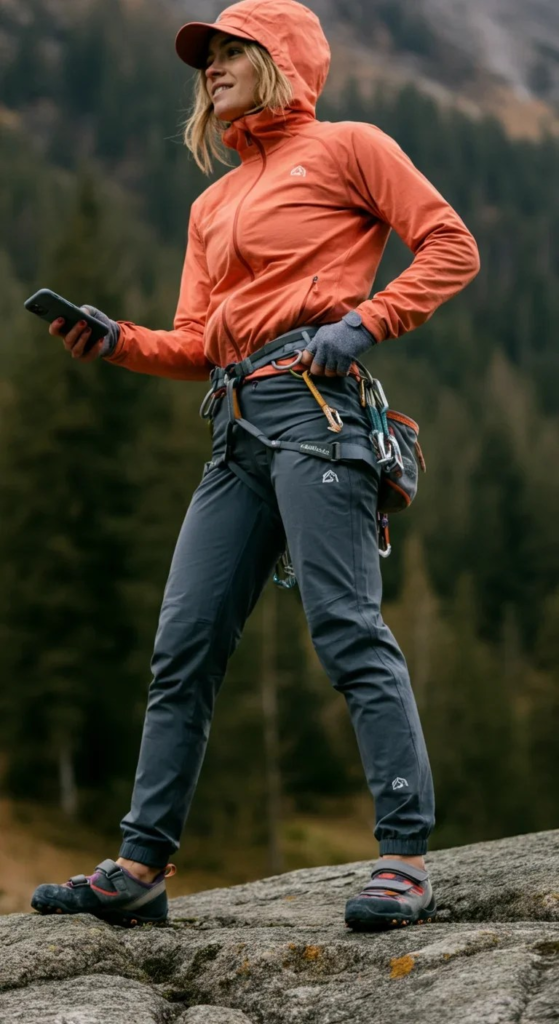
For rocky or steep trails, I use climbing pants because they are strong and flexible. The moisture-wicking hoodie protects me from sun exposure without trapping heat.
Approach shoes help me stay stable on uneven surfaces. I also use fingerless gloves for grip and hand protection.
PRO TIP: I prefer hoodies with mesh ventilation panels because they prevent overheating during uphill climbs.
Technical Dress with Built-in Shorts
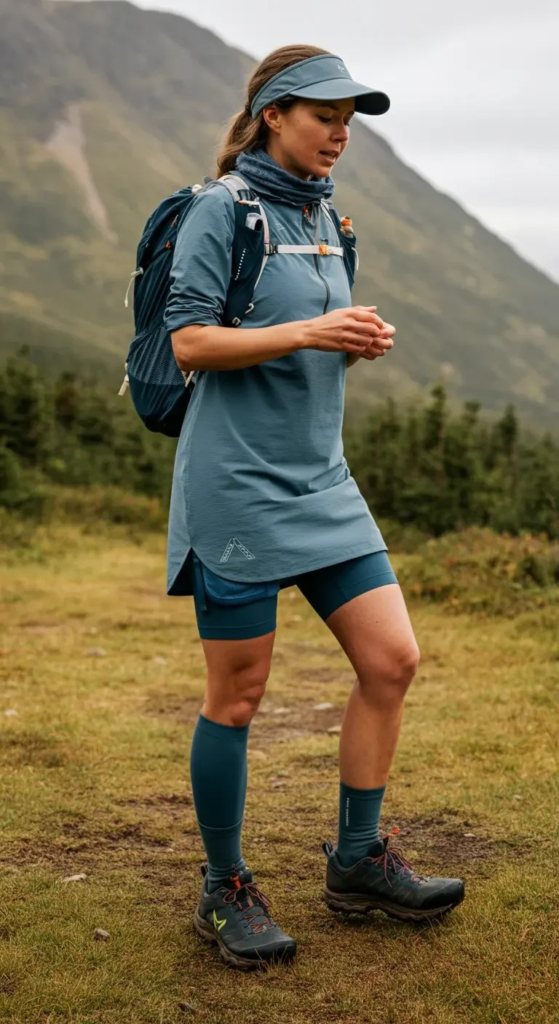
On relaxed hikes, I sometimes wear a technical dress because it feels simple and functional. The built-in shorts provide coverage and freedom of movement.
Trail running shoes help me stay balanced on different surfaces. A sun hat completes the outfit for protection.
PRO TIP: I always choose dresses with stretch fabric so I don’t feel restricted on uphill sections.
Zip-Off Cargo Shorts and Athletic Tank
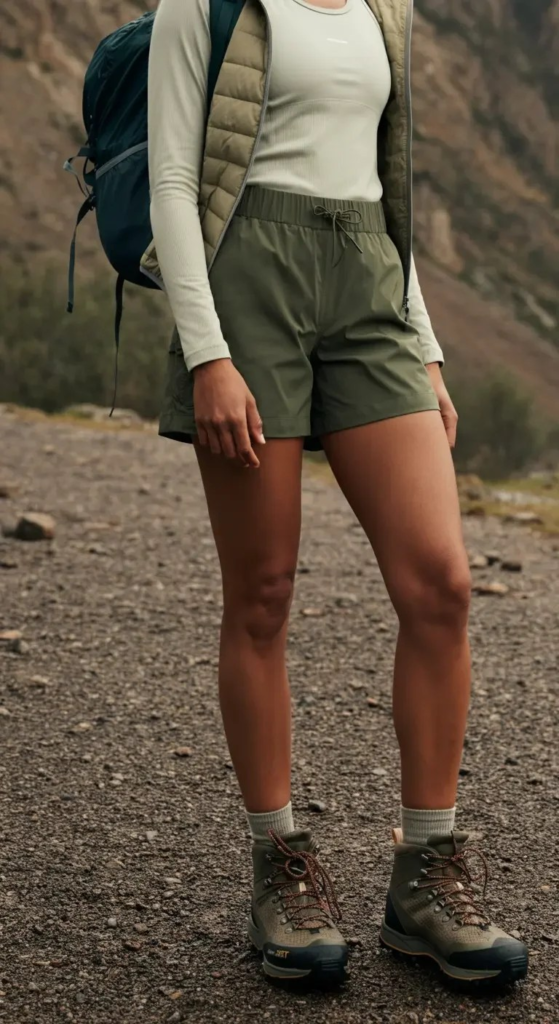
Zip-off cargo shorts are practical because I can adjust them based on temperature. The athletic tank keeps me cool and allows full arm movement.
Waterproof boots are useful for sudden weather changes. I also carry a vest for extra storage.
PRO TIP: I always check zipper quality because weak zippers can fail during long hikes.
Performance Leggings and Button-Up Shirt
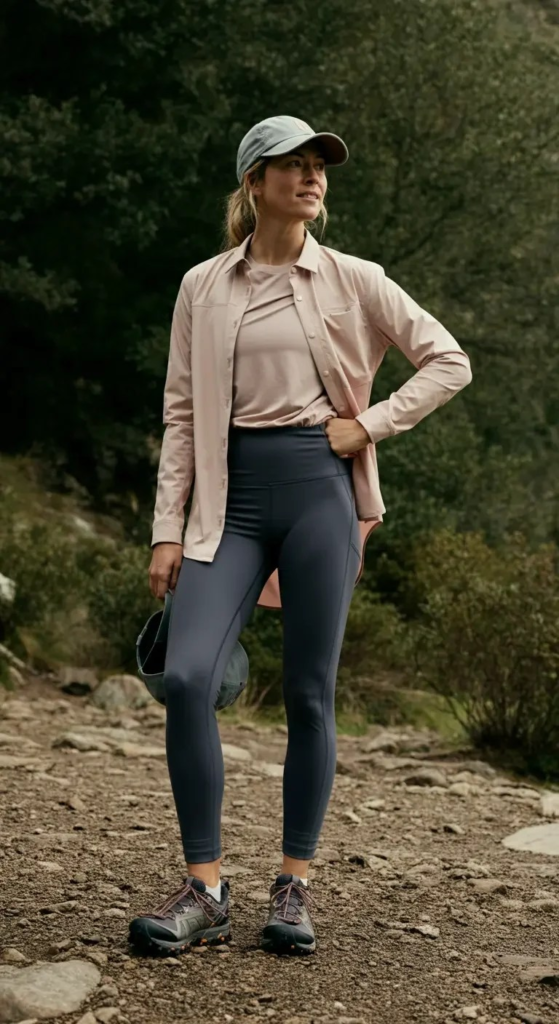
High-waisted leggings are great for support and flexibility. The quick-dry button-up shirt gives me options for ventilation or coverage.
Trail shoes balance comfort and grip. A cap helps with sun protection.
PRO TIP: I prefer leggings with reinforced seams to avoid wear during rocky climbs.
Hiking Skirt and Base Layer Top
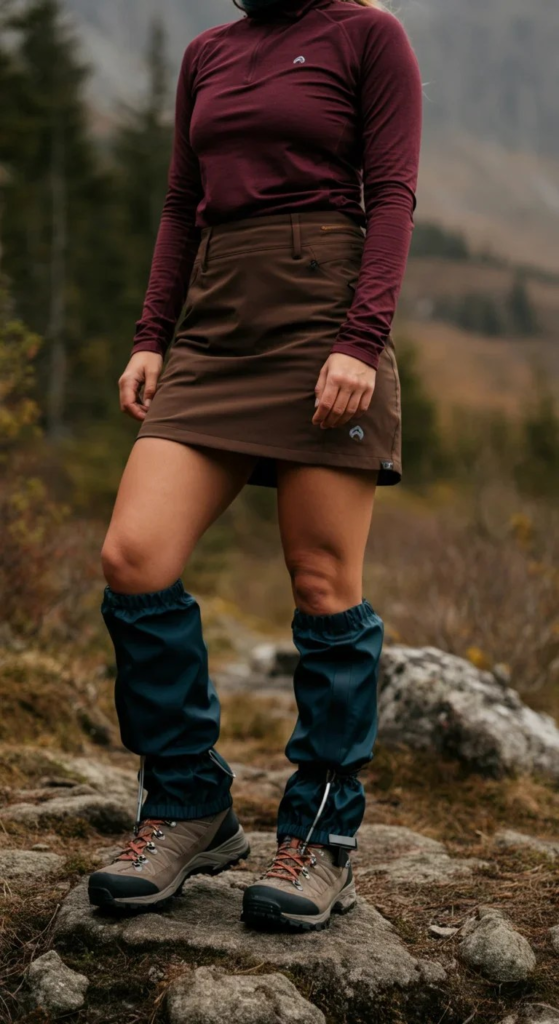
A hiking skirt with built-in shorts gives me comfort and coverage. The base layer top helps regulate body temperature in changing conditions.
Mid-height boots support my ankles on uneven trails. Gaiters help keep dirt and stones out.
PRO TIP: I avoid loose skirts without compression shorts because they can cause discomfort while climbing.
Convertible Romper
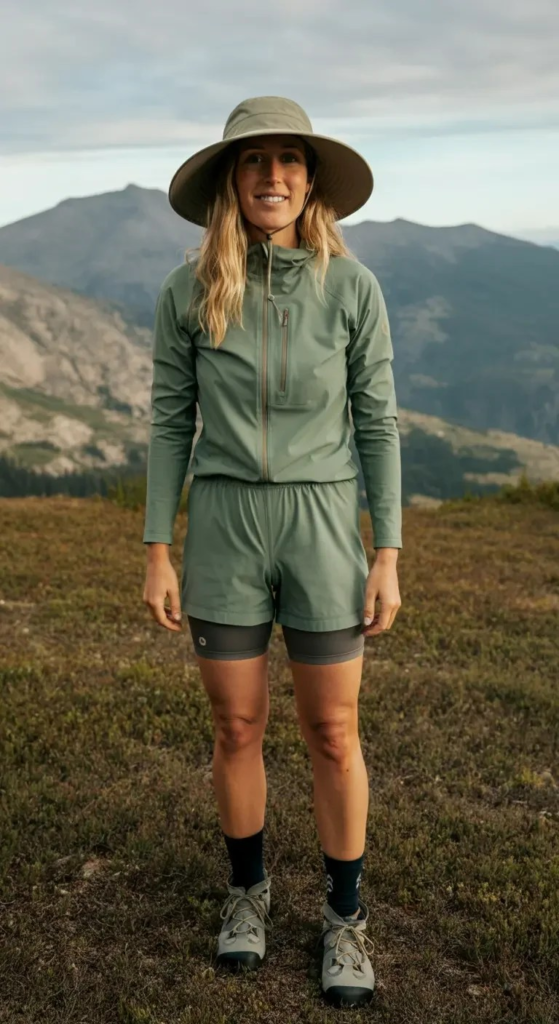
A convertible romper is useful because it adjusts between full length and shorts. Built-in support makes it comfortable for long hikes.
Approach shoes provide stability on mixed terrain. A sun hat adds protection.
PRO TIP: I choose rompers with adjustable straps because they improve fit during long walks.
Quick-Dry Pants and Sports Tank
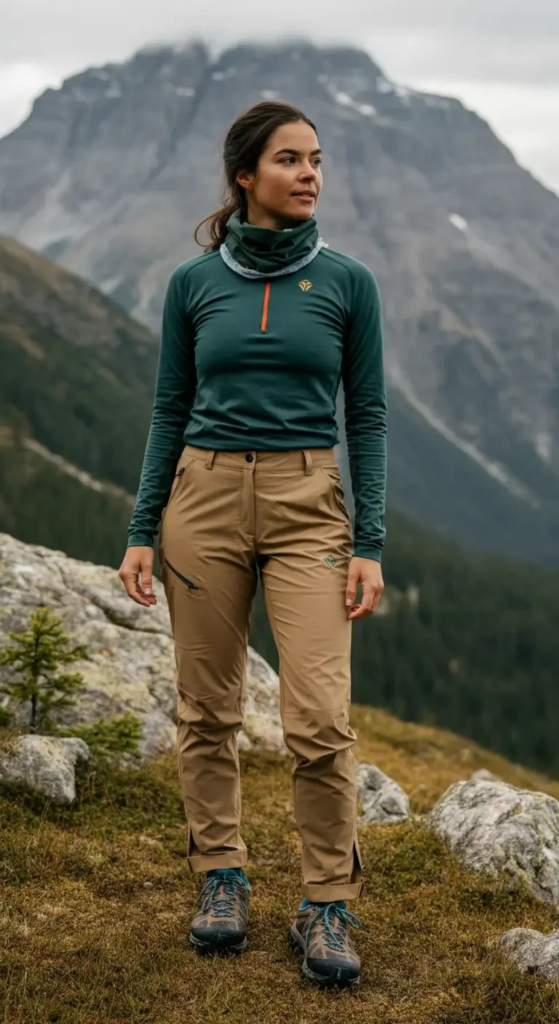
Quick-dry pants are essential for handling sweat and light rain. The sports tank keeps me cool during high activity.
Light hiking shoes help maintain agility. A neck gaiter provides sun and dust protection.
PRO TIP: I always choose pants with deep pockets so essentials don’t fall out during movement.
Technical Shorts and Long Sleeve Top
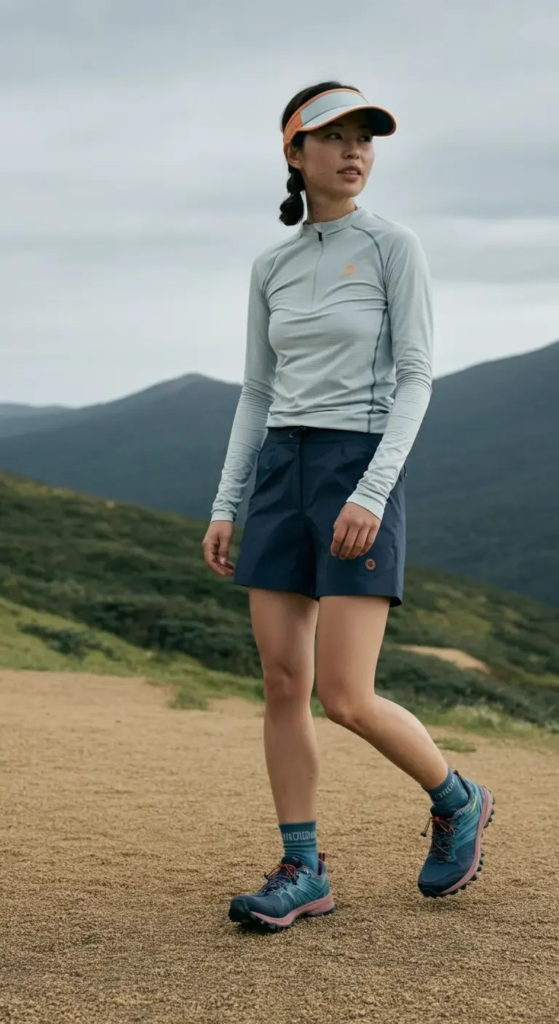
Technical shorts are great because they offer storage and comfort. The long sleeve top protects my skin from sun exposure.
Trail running shoes improve stability. A visor keeps my face shaded while maintaining airflow.
PRO TIP: I prefer long sleeves with roll-up options for better temperature control.
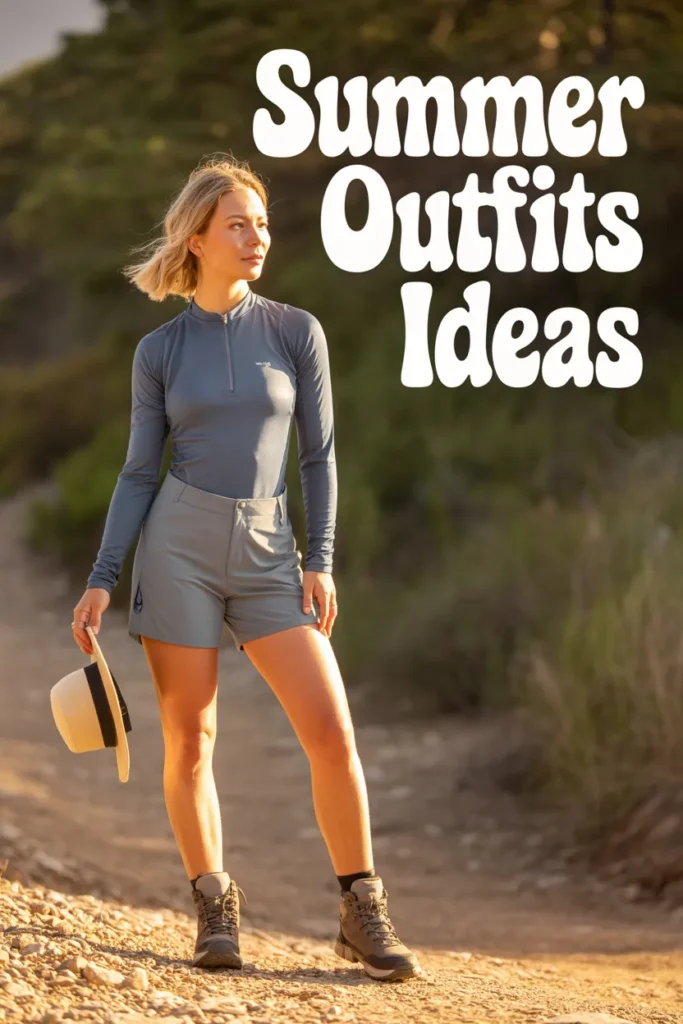
Zip-Front Bodysuit and Hiking Pants
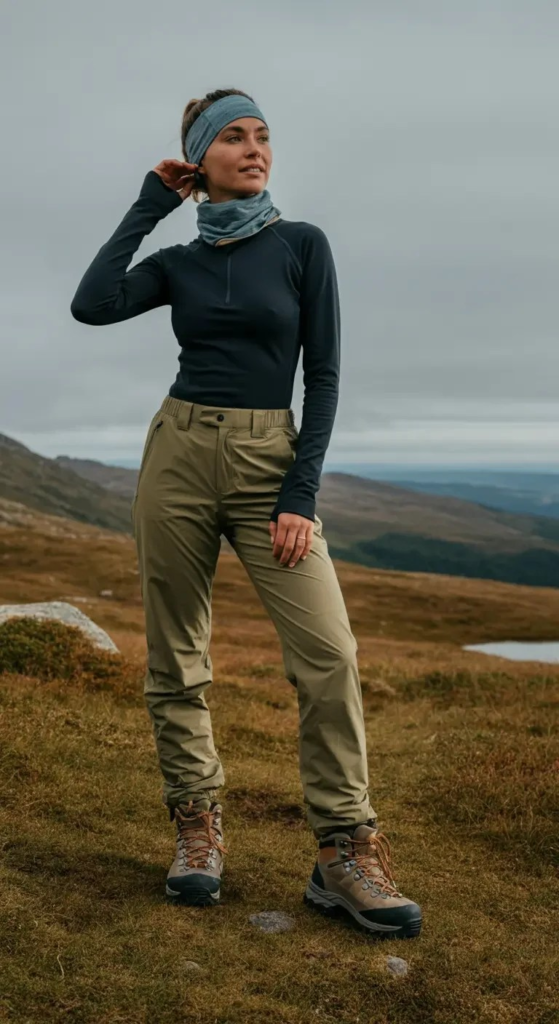
A zip-front bodysuit prevents fabric bunching during movement. Hiking pants add durability and protection.
Sturdy boots improve balance on rough trails. A buff provides multi-use protection.
PRO TIP: I choose bodysuits with breathable zippers because poor ventilation can feel restrictive.
Three-Quarter Length Pants and Sport Top
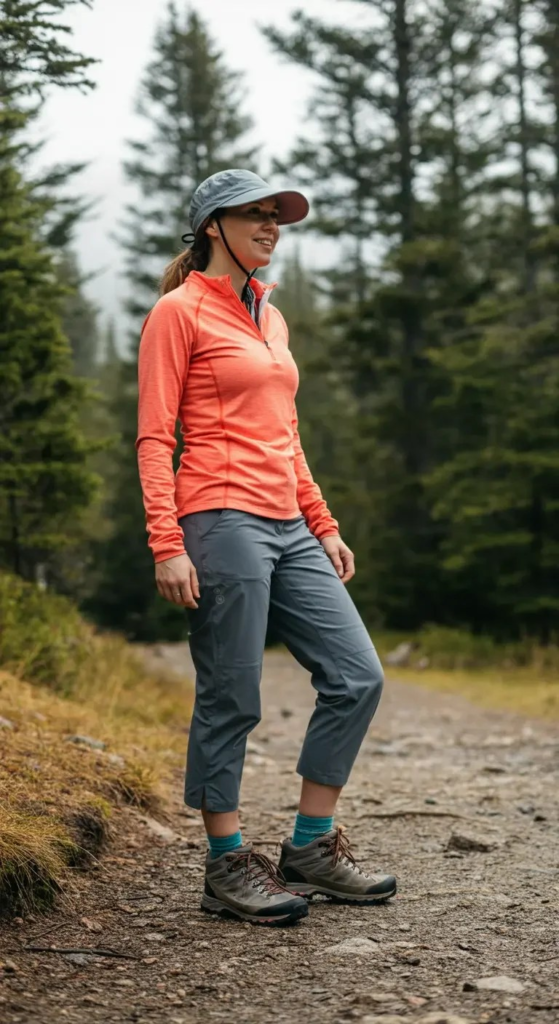
Three-quarter pants are ideal for warm hikes because they balance coverage and airflow. A sport top with ventilation zones keeps me cool.
Light boots support long-distance walking. A packable hat is useful for sun protection.
PRO TIP: I always pack an extra lightweight top because weather can shift quickly during hikes.
Final Thoughts
From my experience, summer hiking outfits work best when I focus on breathability, protection, and flexibility instead of just style. The right combination of fabrics and footwear makes long hikes much easier and safer.
I always plan my outfit based on terrain, temperature, and duration. Small details like ventilation panels, quick-dry materials, and proper layering make a big difference in performance.
If I had to simplify it, I would say: stay light, stay protected, and always prioritize comfort over appearance on the trail.